
Common Wire Diameters & Corresponding Working Conditions
Thin gauge: 1.0mm / 1.2mm (Gas-shielded FCAW mainstream)
Applicable workpieces: Thin steel plates (3–12mm), fine repairing of small wear parts including small fan blades, mini mixing rotors, screw conveyors and valve sealing surfaces.
Suitable for vertical / overhead welding in narrow inner spaces, robotic automatic welding with low spatter and smooth bead appearance.
Industries: Small machinery workshops, grain & oil equipment, light construction machinery maintenance, stainless steel equipment factories.
General mainstream size: 1.6mm (Most popular, gas-shielded & self-shielded)
Applicable workpieces: Medium-thick plate structural welding, large-area hardfacing such as crusher liners, material chutes, excavator buckets and medium-sized roll surface surfacing.
Works well for flat & horizontal position welding with balanced efficiency and welding quality.
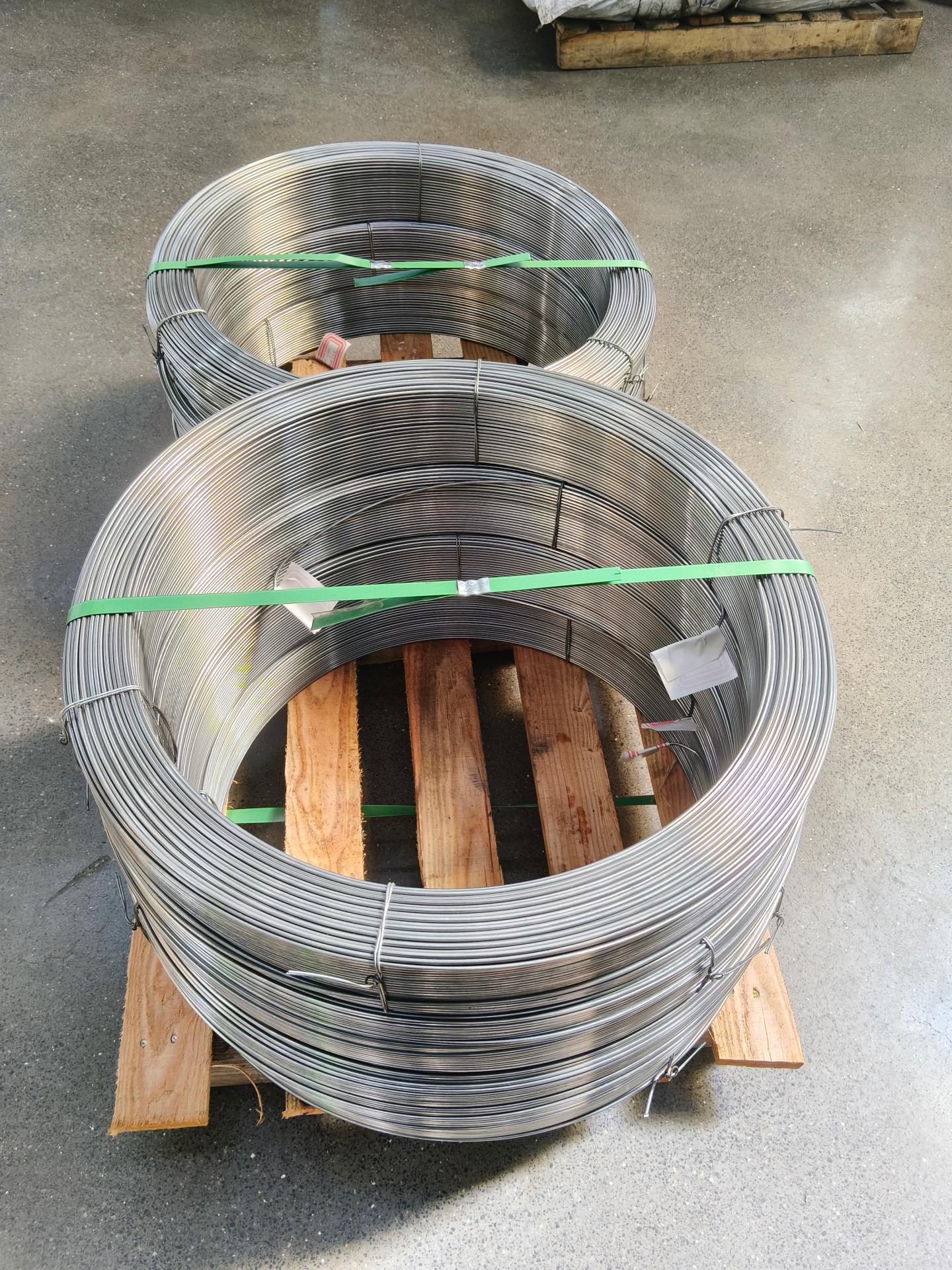
Industries: Aggregate plants, cement factories, sugar mills, steel structure manufacturers, roll repair workshops (universal size for most wear hardfacing workshops).
Heavy gauge: 2.0mm / 2.4mm (Self-shielded / gas-shielded heavy hardfacing)
Applicable workpieces: Thick heavy components & high-efficiency large-area overlay, including vertical mill rollers, roller press surfaces, crusher rotor discs and large silo liners.
Deposition efficiency increased by over 40% compared with 1.6mm wires, mainly for flat position fixed-station semi-automatic welding.
Industries: Large cement plants, nickel-cobalt smelters, steel plant maintenance workshops, wear plate production lines.
Submerged arc hardfacing large sizes: 2.8mm / 3.2mm / 4.0mm (SAW dedicated)
Applicable workpieces: Mass automatic line hardfacing for super-large heavy components, such as hot / cold rolling mill rolls, large ball mill liners, chromium carbide overlay base plates and oversized chutes.
Enables continuous mass production with thick single overlay layer, designed for factory automated production lines.
Industries: Roll manufacturers, bi-metal wear plate factories, large steel groups (MMK), large mining equipment manufacturers.
Ultra-fine 0.8mm (Rarely used)
Only for thin-wall stainless steel and precision small component welding, barely applied in heavy-duty wear hardfacing industries.
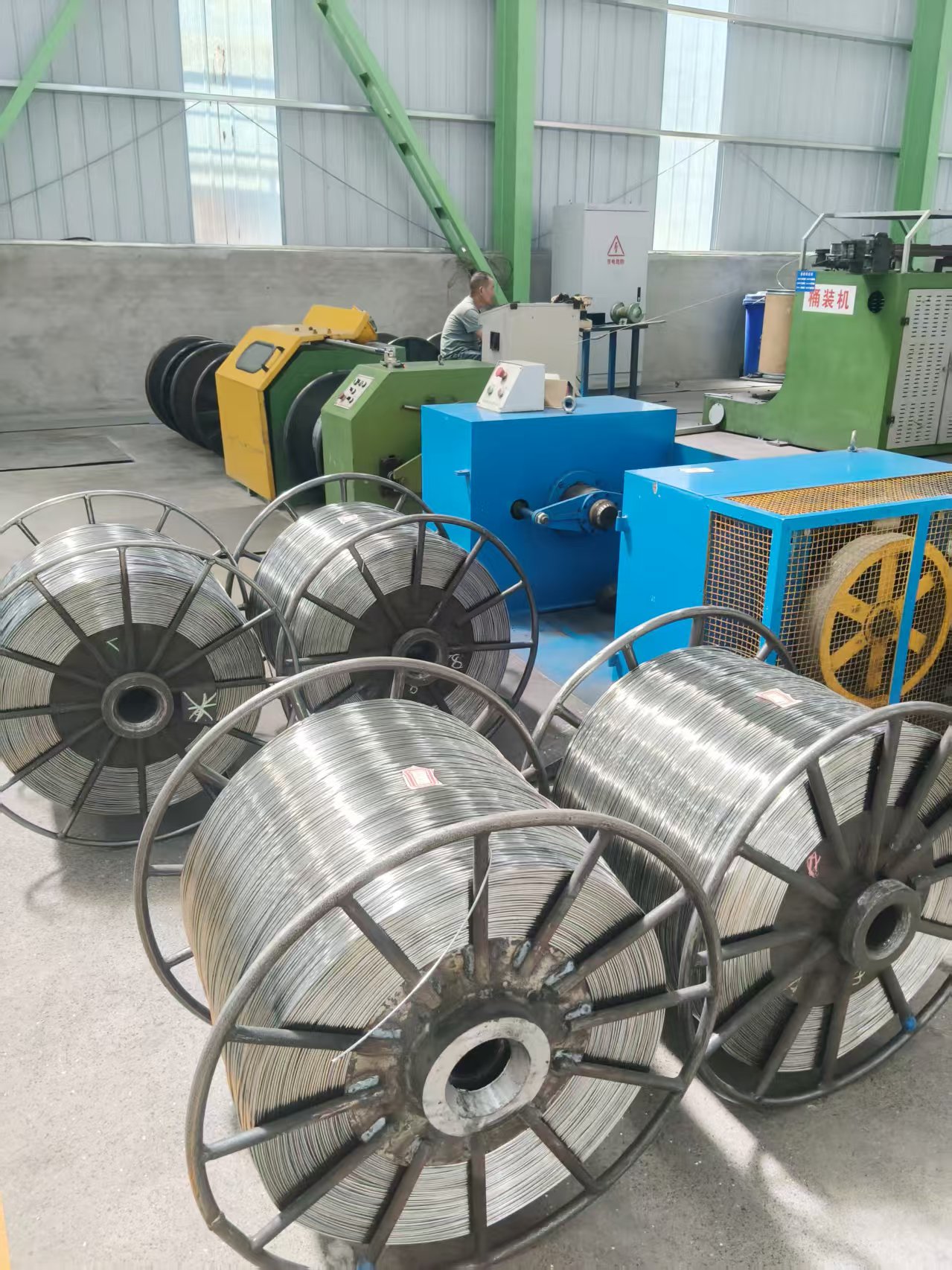
Wire Diameter Selection Table by Industry For
| Industry | Typical Workpieces | Recommended Wire Diameter | Working Condition Features |
| Cement & Nickel-Cobalt Hydrometallurgy | Vertical mill rollers, fan rotors, material chutes | 1.6mm / 2.0mm (On-site repair); 3.2mm submerged arc wire (Mass production) | High temperature, powder erosion, medium impact load |
| Mining & Aggregate | Crusher rotors, bucket teeth, scraper middle troughs | 1.6mm / 2.4mm self-shielded wire | Severe abrasive wear, heavy impact force |
| Steel Mill & Roll Manufacturing | Hard surfacing of work rolls / backup rolls | 2.4mm ~ 4.0mm submerged arc hardfacing wire | Mass production, thick wear-resistant overlay, automatic production line |
| Steel Structure & Construction Machinery | Equipment frames, excavator buckets, loader buckets | 1.2mm / 1.6mm gas-shielded wire | Structural assembly + surface wear protection |
| Sugar Processing Plant | Sugar cane crushing rolls, bagasse fan impellers | 1.6mm wire | Mild abrasion & corrosion, mainly on-site maintenance |
| Outdoor Field Emergency Repair | On-site overhaul of mining equipment | 1.6mm / 2.0mm self-shielded wire | No shielding gas supply, open-air windy environment |
Post time: Jul-28-2026


