
Introduction: After forging/casting and heat treatment, machining is the core process to produce qualified rolls. It determines dimensional accuracy and working surface quality, directly affecting the quality of rolled plates and service life of the rolls.
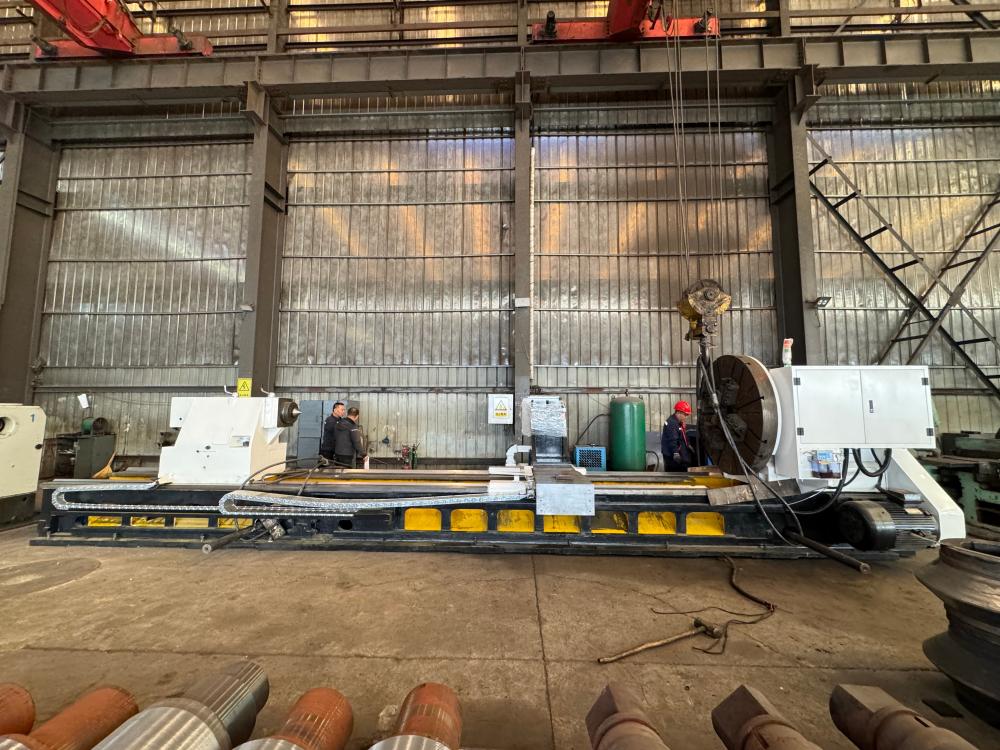
1. Incoming Inspection Verify dimensions and surface condition of heat-treated blanks, confirm machining allowance and set machining reference.
2. CNC Rough Turning Remove oxide scale with heavy-duty roll lathe, rough-turn roll body and roll neck, leave allowance for finish machining.
3. CNC Finish Turning Machine roll profile curve, roll neck and bearing seats; control dimensional tolerance, straightness and concentricity.
4. Precision Cylindrical Grinding Finish the roll working surface on roll grinder to guarantee roundness, cylindricity and surface roughness. This is the key procedure for rolled plate quality.
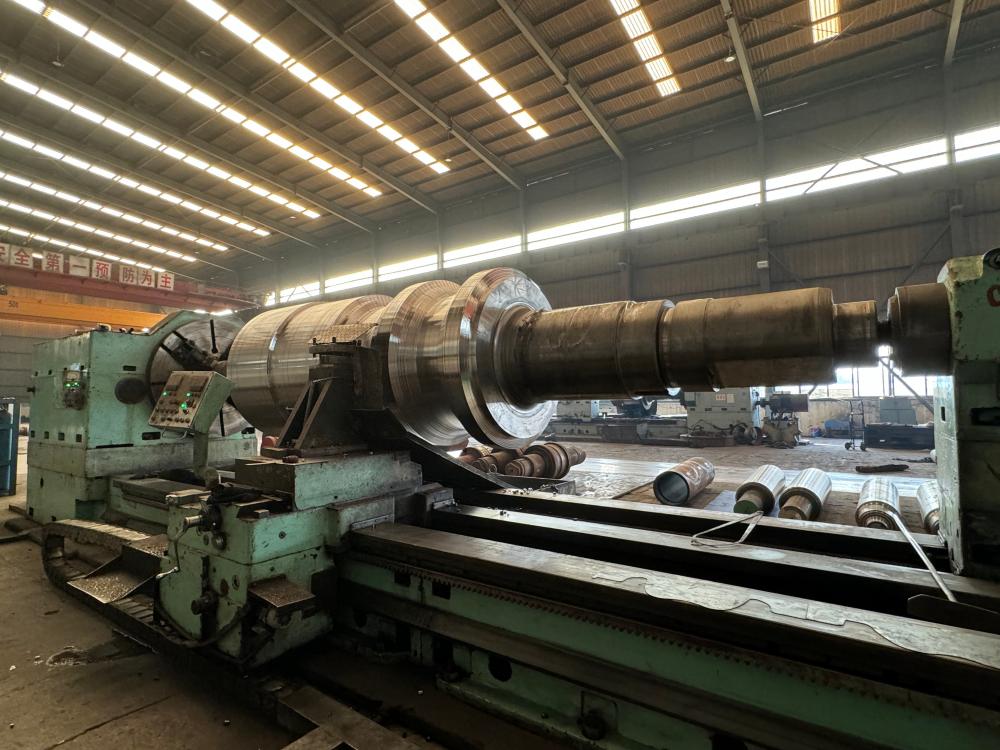
5. Precision Measurement Check dimensions, runout and geometric tolerances against drawing requirements.
6. Dynamic Balancing (Optional for High-speed Rolls) Eliminate rotational unbalance to reduce vibration during mill operation.
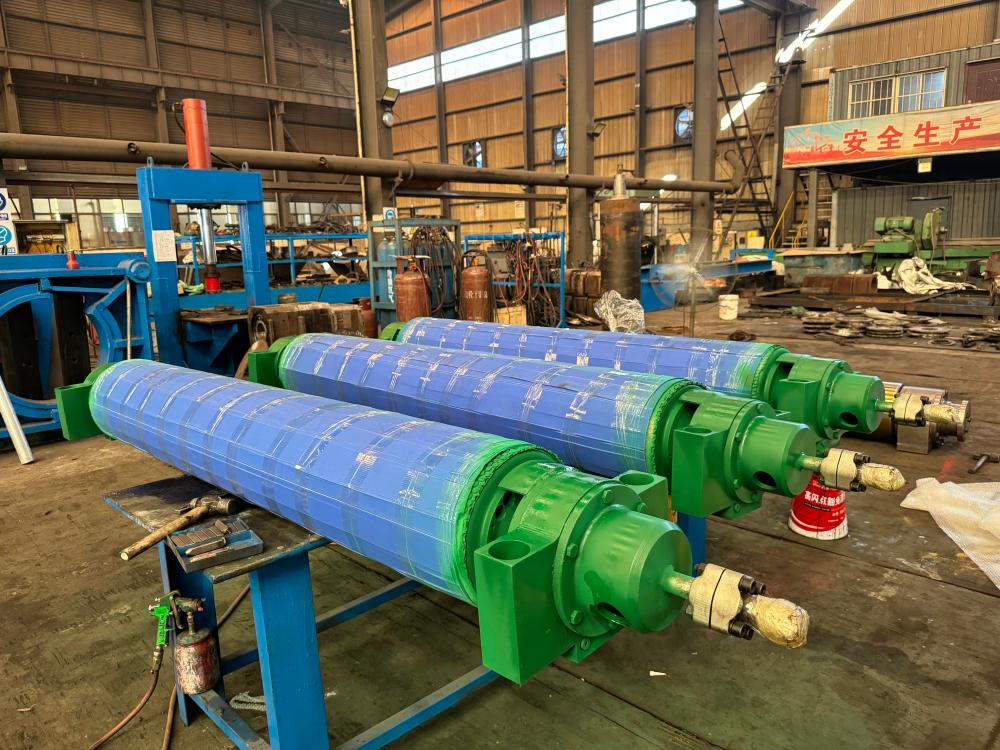
7. Final Inspection & Anti-corrosion Treatment Full re-inspection, workpiece cleaning and anti-rust coating application.
Conclusion: Machining finishes heat-treated blanks to final dimensions. It is the final forming process to ensure stable rolling performance of rolls in steel mills.
Post time: Oct-19-2026


