
In metallurgy, building materials and mining production, rollers suffer continuous crushing, impact and high-temperature wear, prone to spalling and cracking. Brand-new rollers come with high cost and long lead time. Roller hardfacing is a cost-effective solution.
A hardfaced roller adopts composite structure. The original roller substrate retains high toughness and impact resistance. The surface is overlaid with alloy layer using wear-resistant welding wire. Metallurgical bonding prevents peeling, balancing toughness, wear resistance and thermal fatigue resistance.
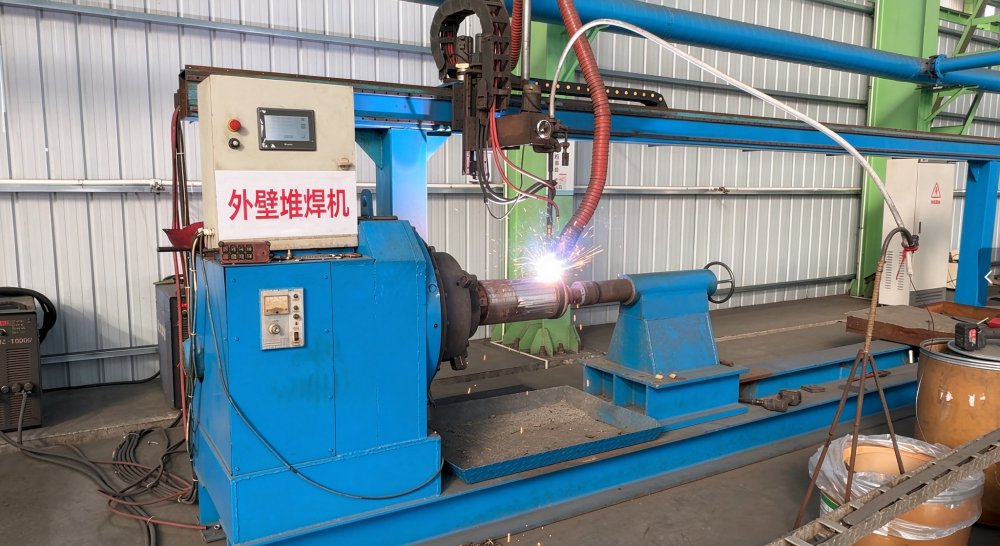
1. Reliable Wear Performance With proper hardfacing process, its service life reaches 80%–95% of a new roller. For cement roller press rollers, it can reach 1.5–2 times the lifespan of a new roller.
2. Good Toughness & Thermal Fatigue Resistance Resists cracking under harsh conditions. Local damaged areas can be re-hardfaced on-site.
3. Customizable for Machining It can be turned to required size. Hardness and overlay thickness are adjustable to match working conditions.
4. Lower Total Cost & Less Downtime Repair cost is much lower than purchasing new rollers. It cuts spare part expense, labor and production shutdown losses.
5. Wide Condition Adaptability Alloy grade and overlay thickness can be adjusted for high-temperature and heavy abrasion environments.
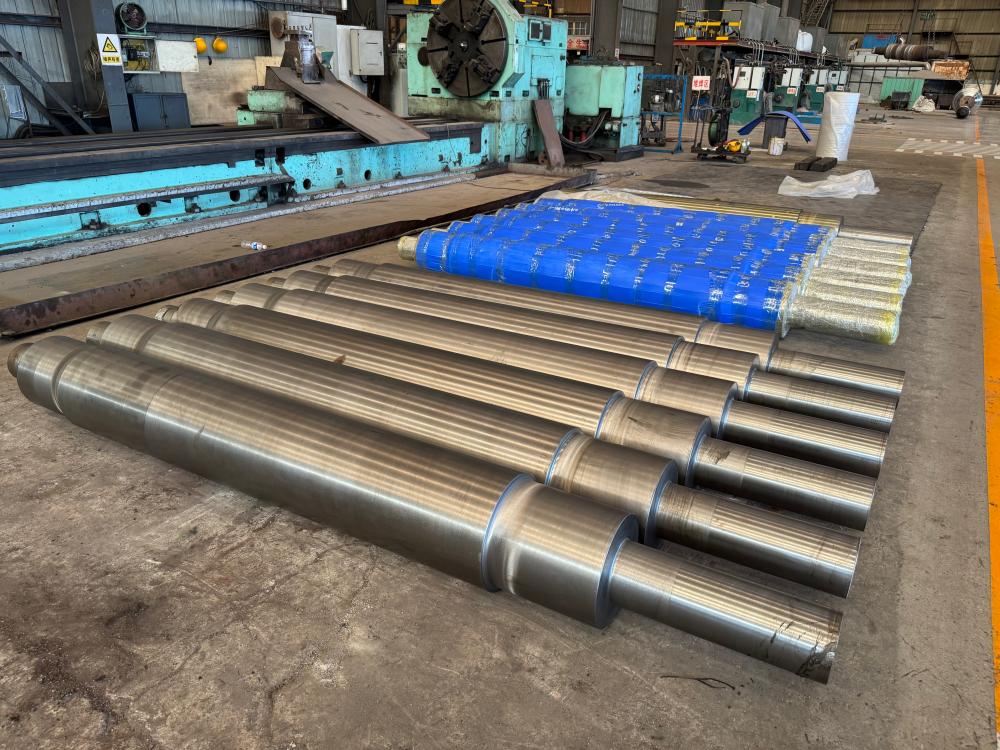
Common applications: hot rolling rollers, cold rolling rollers, cement roller press rollers, crushing rollers and other wear-prone roller parts.
Post time: Nov-18-2026


